Smile On! Tips for Great Children's Photography
- lizsteeves
- Nov 5, 2025
- 4 min read
Capturing the joyful spirit of children in photographs can be both rewarding and challenging. Children are full of energy, curiosity, and emotion, which makes every moment unique but also unpredictable. Whether you are a parent, a hobbyist photographer, or a professional, knowing how to connect with kids and create a comfortable environment is key to getting those memorable shots. This guide offers practical tips to help you take great photos of children that truly reflect their personality and charm.
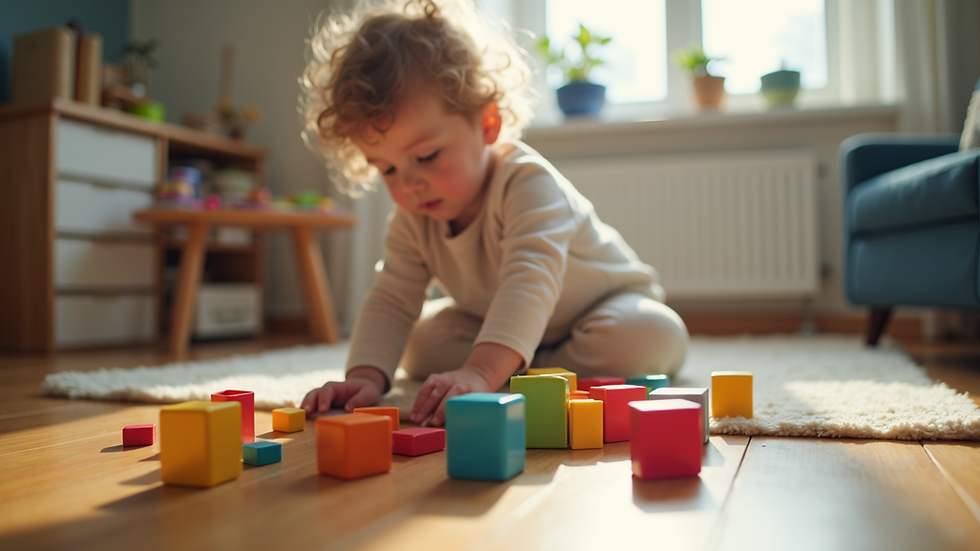
Creating natural moments by capturing children during play brings out genuine smiles and expressions.
Understand the Child’s World
Children see the world differently from adults. Their attention spans are shorter, and their moods can change quickly. To take great photos, you need to enter their world and see things from their perspective.
Get down to their level. Shooting at eye level with the child creates a more intimate and engaging photo. It helps the viewer connect with the subject.
Use familiar settings. Photograph children in places where they feel safe and comfortable, like their home, backyard, or favorite park.
Follow their lead. Let the child explore and play naturally. Instead of directing every pose, observe and capture spontaneous moments.
For example, instead of asking a child to smile on command, watch for moments when they laugh or concentrate on a toy. These genuine expressions tell a better story.
Prepare Your Equipment and Settings
Children move fast, so your camera settings should be ready to capture quick action without blur.
Use a fast shutter speed. Aim for at least 1/250 second or faster to freeze movement.
Choose a wide aperture. A low f-stop (like f/2.8 or f/3.5) helps blur the background and focus attention on the child.
Set continuous shooting mode. This lets you take multiple shots quickly, increasing the chance of catching the perfect expression.
Use natural light when possible. Soft daylight from windows or outdoor shade creates flattering skin tones and avoids harsh shadows.
If you are indoors, position the child near a large window or open door. Avoid using the camera’s built-in flash, which can startle children and create unflattering light.
Build a Connection and Keep It Fun
Children respond best when they feel relaxed and engaged. Building a connection before and during the shoot helps them open up.
Talk and listen. Ask simple questions about their favorite things or games. Show genuine interest.
Use toys and props. Bring along items the child likes, such as stuffed animals, bubbles, or balloons. These can help focus their attention and encourage smiles.
Play games. Make the session playful by incorporating games like peek-a-boo, tickling, or silly faces.
Be patient and flexible. If the child gets tired or distracted, take breaks or change activities.
For example, one photographer shared how blowing bubbles helped a shy toddler relax and smile naturally. The bubbles became a fun prop and a way to capture joyful expressions.
Capture Different Expressions and Angles
Variety makes a photo collection more interesting and tells a fuller story of the child’s personality.
Shoot candid moments. Capture the child while they are focused on an activity, like drawing or exploring nature.
Try different angles. Besides eye level, experiment with close-ups of hands, feet, or facial expressions. A high angle looking down can show a child’s small size in a big world.
Include movement. Photograph children running, jumping, or spinning to show their energy and joy.
Use framing and composition. Place the child off-center or use natural frames like doorways or tree branches to add depth.
For example, a photo of a child’s tiny hands holding a flower can be just as powerful as a smiling portrait.
Pay Attention to Background and Colors
A cluttered or distracting background can take attention away from the child. Keep the focus clear and clean.
Choose simple backgrounds. Plain walls, grass, or sky work well.
Use complementary colors. Dress the child in colors that stand out against the background but don’t clash.
Avoid busy patterns. Clothing with bold prints can distract from the child’s face.
Look for natural frames. Use elements like fences, arches, or branches to frame the child and add interest.
For example, a child wearing a bright red jacket against a green park background creates a striking contrast that draws the eye.
Edit Photos to Enhance, Not Overdo
Post-processing can improve your photos but should keep the natural look and feel.
Adjust brightness and contrast. Make sure the child’s face is well-lit and clear.
Crop to improve composition. Remove distractions or tighten the frame around the child.
Enhance colors gently. Boost saturation slightly to make colors pop without looking artificial.
Remove minor blemishes. Use editing tools to soften skin or remove small marks, but avoid heavy retouching.
Remember, the goal is to preserve the child’s natural beauty and personality, not to create unrealistic images.
Safety and Respect During the Shoot
Always prioritize the child’s comfort and safety.
Ask for permission. If photographing children who are not your own, get consent from parents or guardians.
Respect boundaries. If a child seems uncomfortable or tired, stop or change the activity.
Avoid risky locations. Choose safe environments free from hazards.
Keep sessions short. Children can get restless quickly, so limit the shoot to 30-60 minutes.
By respecting the child’s needs, you create a positive experience that leads to better photos.
Practice and Learn from Experience
Great children’s photography improves with practice and observation.
Review your photos. Look for what worked and what didn’t after each session.
Try different techniques. Experiment with lighting, angles, and props.
Learn from others. Study photographers who specialize in children’s portraits.
Be patient with yourself. Not every shot will be perfect, but each one is a step forward.
With time, you will develop your own style and confidence in capturing children’s unique moments.
Capturing children’s smiles and expressions takes more than just a camera. It requires patience, creativity, and a genuine connection. By understanding their world, preparing your gear, and keeping the experience fun and safe, you can create photos that families will treasure for years. So next time you pick up your camera, remember these tips and let the children’s natural joy shine through your lens. Happy shooting!


Comments